
Endpoint & Traffic Discovery
Identify local AI tools, browser model access, processes and related traffic.
Based on Xingshu’s three-tier architecture to control AI tool data egress — sensitive data stays controllable, auditable and traceable.

Employees submit source code, customer records or business data to public models
AI coding and Agent tools bypass traditional egress and audit controls
Sensitive content leaves through prompts, attachments or hidden context
Controls cannot distinguish users, teams, tools and data classifications
Identify local AI tools, browser model access, processes and related traffic.
Classify code, documents, personal information and business data at content level.
Allow, alert, block, mask or require approval according to scenario and risk.
Record actor, tool, data, destination and action for incident investigation.
Map AI tools, request paths and sensitive data types.
Define allow, mask, block and exception rules.
Validate endpoint and gateway policies alongside usability.
Review policy matches, egress logs and false-positive feedback.
Scope, schedule and acceptance criteria are agreed following assessment.
Discuss this approach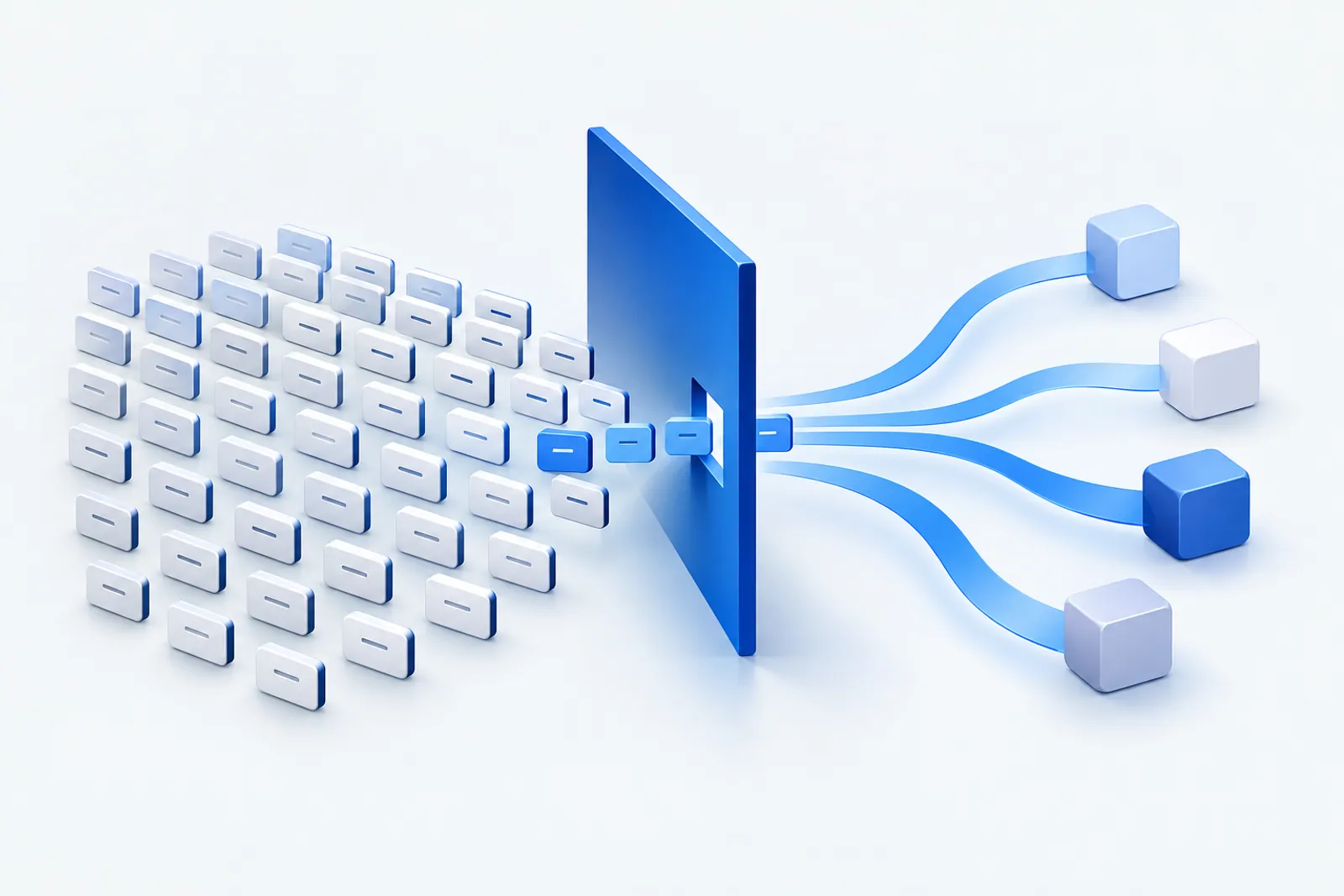
Rebuild enterprise data boundaries in the AI era

Align business ownership, data policies and technical controls, connecting discovery, assessment, loss prevention, masking and auditing into continuous improvement.

Protect enterprise data through discovery, classification, risk assessment, DLP, masking and access auditing, supported by data and cloud engineering.